Raleigh's Vibrant Music Scene: History, Venues, and Cultural Impact
- 6 days ago
- 3 min read
Updated: 2 days ago
Raleigh, NC has always been a place where music comes alive. From its deep roots in gospel and folk to its later exploration of new sounds such as punk and metal. This post explores how music in Raleigh has grown over the years, the key venues and artists that define the city, and the ways music brings people together.
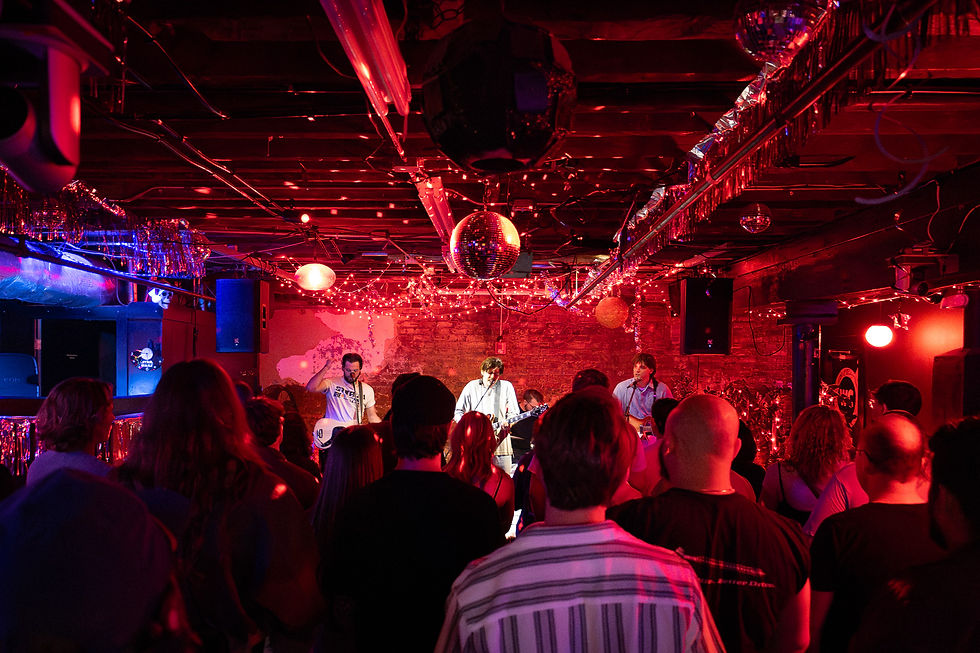
A Rich History of Music in Raleigh
Raleigh’s music story begins with its roots in folk, bluegrass, and gospel traditions. The city’s location in the heart of the American South made it a crossroads for musical styles that shaped early American music. In the mid-20th century, Raleigh became a hub for country and blues artists, many of whom performed in small clubs and community venues.
The 1970s and 1980s saw Raleigh embrace rock and punk scenes, with local bands gaining regional attention. This period also marked the rise of independent record labels and DIY venues that nurtured emerging talent. Over time, Raleigh’s music scene expanded to include hip-hop, jazz, electronic, and indie genres, really reflecting the city’s growing diversity.
Key Venues That Define Raleigh’s Music Scene
Live music venues are the heart of any music community, and Raleigh boasts several iconic spots where artists and fans connect.
The Pour House Music Hall
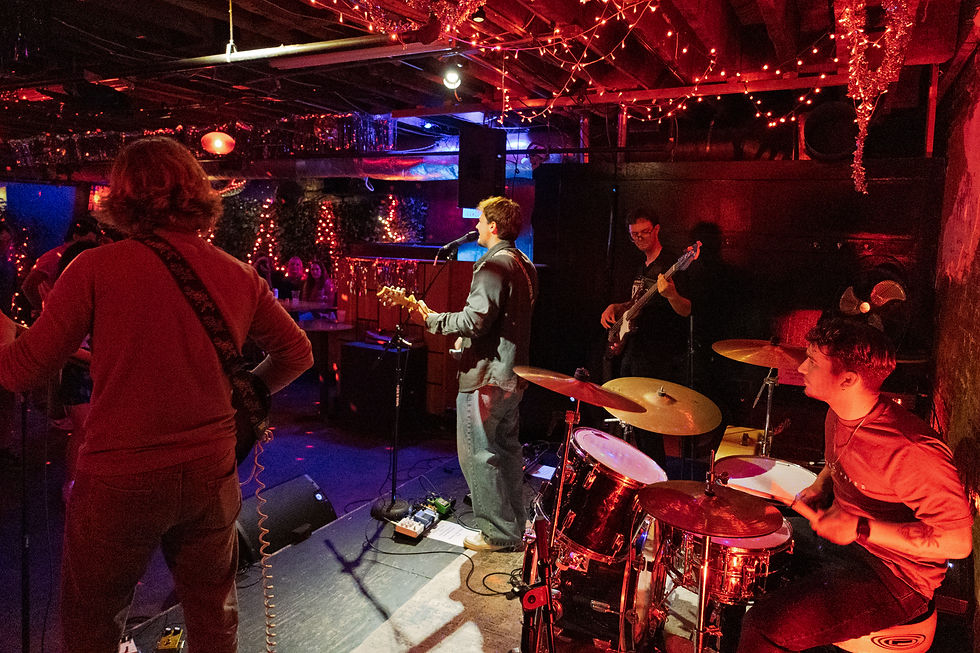
Known for its intimate setting and excellent acoustics, The Pour House hosts a wide range of genres, from indie rock to folk and blues. It has helped launch many local artists’ careers.
Red Hat Amphitheater
This outdoor venue attracts diverse acts, offering a large space for concerts during warmer months. It also serves as a gathering place for music festivals and community events.
Kings
A staple for hip-hop and indie music lovers, Kings provides a vibrant atmosphere for DJs and live performers, supporting Raleigh’s growing urban music scene.
Lincoln Theatre
A historic venue with a rich past, Lincoln Theatre has been restored to host concerts, film screenings, and cultural events, preserving Raleigh’s musical heritage.
These venues not only provide stages for performances but also foster a sense of community among musicians and audiences.
Local Artists and Thriving Genres
Raleigh’s music scene is home to a diverse group of artists who contribute to its unique soundscape.
Indie and Alternative
Bands like The Love Language and The Rosebuds have gained national recognition while staying rooted in Raleigh’s indie scene.
Hip-Hop and Rap
Artists such as Shame Game, who has earned critical acclaim, represent Raleigh’s strong presence in hip-hop, blending thoughtful lyrics with local influences.
Bluegrass and Folk
Traditional music remains alive through artists like Russel Johnson, who brings fresh energy to classic Appalachian sounds.
Jazz and Soul
Musicians like Nnenna Freelon have helped put Raleigh on the map for jazz lovers, combining soulful vocals with sophisticated arrangements.
This variety ensures that music lovers of all tastes find something to enjoy in Raleigh.
Music as a Catalyst for Creativity and Community
Music in Raleigh does more than entertain; it builds connections. Local festivals, open mic nights, and collaborative projects encourage creativity and bring people from different backgrounds together. Events like the Hopscotch Music Festival showcase local and national talent, creating opportunities for artists to network and for fans to discover new sounds.
Economic Benefits and Tourism
The music scene contributes significantly to Raleigh’s economy. Live shows attract thousands of visitors annually, boosting revenue for venues, restaurants, hotels, and local shops. Music festivals generate millions in economic activity, drawing tourists who spend on accommodations and entertainment.
Moreover, the presence of a vibrant music culture makes Raleigh an attractive place for young professionals and creatives, supporting the city’s growth and innovation. Music-related jobs, from sound engineers to event promoters, provide employment opportunities and help diversify the local economy.
Final Thoughts on Raleigh’s Music Scene
Raleigh’s music scene is a dynamic force that shapes the city’s culture, economy, and community life. Its rich history, diverse venues, and talented artists create a welcoming environment for music lovers and locals alike. Whether you are a fan of bluegrass, hip-hop, indie rock, or jazz, Raleigh offers a place to experience music that is both rooted in tradition and open to new ideas.

Comments